
HABITAT
Habitat
The Upper Westside project is designed to protect wildlife and natural spaces while allowing for new development immediately adjacent to downtown Sacramento and West Sacramento. The plan complies with state and federal environmental laws to ensure habitats are safe for animals and plants in the Natomas Basin.
Even though the County is not a signatory to the Natomas Basin Habitat Conservation Plan (NBHCP), Upper Westside’s applicants have designed a tailored mitigation plan that is consistent with the NBHCP’s conservation framework. In fact, the plan ensures equivalent or higher ecological value of preserved habitat than what is required by this framework.
The plan would provide better locations outside of the Natomas Basin with much higher value than the marginal-quality lands within the Natomas Basin to replace lost habitats, keeps wetlands connected to help wildlife move between different areas with the basin, and provides funding and monitoring to make sure habitats and species stay protected over time.
Keeping Habitat Safe
The plan has many different types of land that are important for nature. It makes sure new buildings and roads don’t harm the environment. Some key habitat features include:
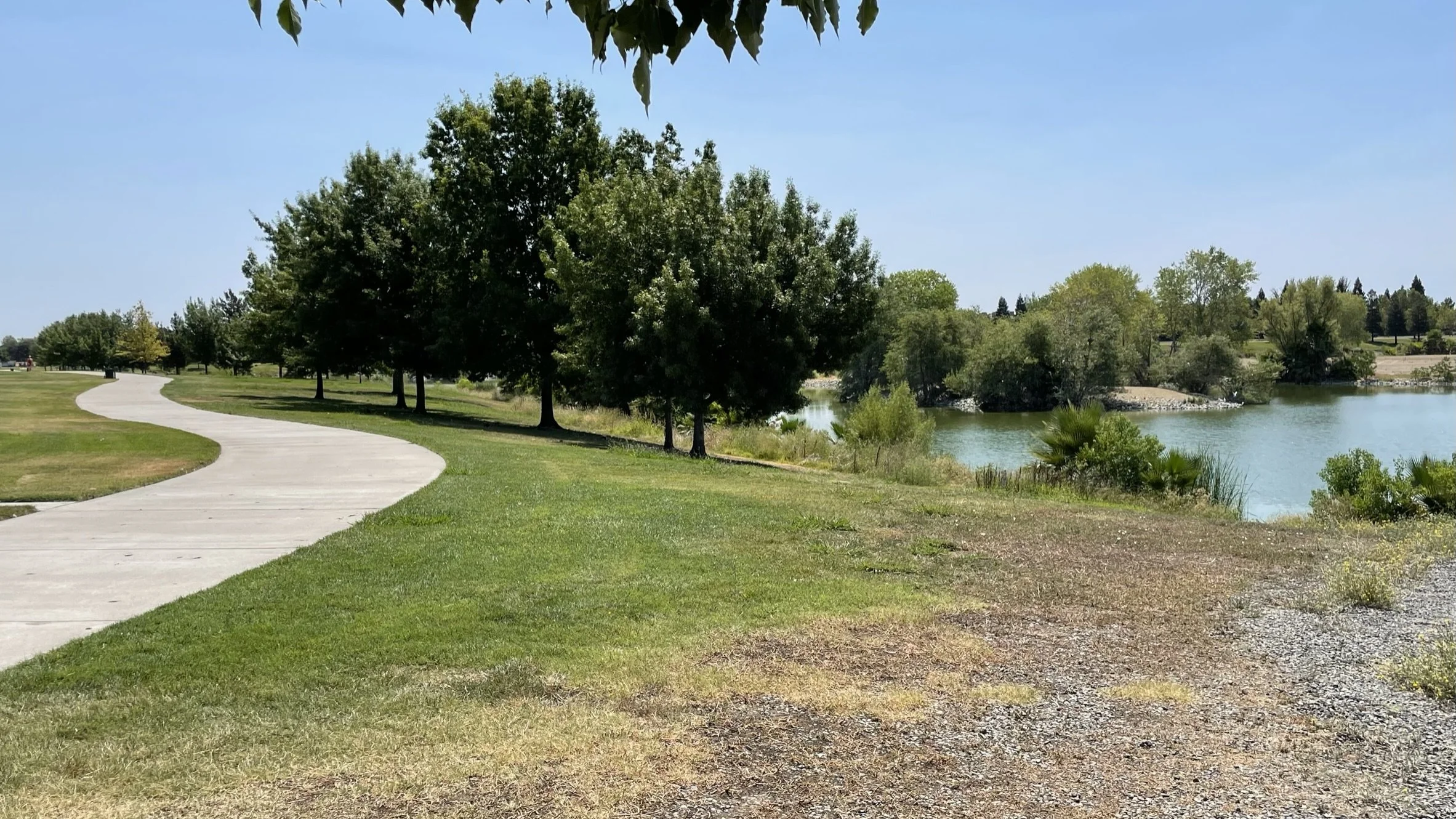
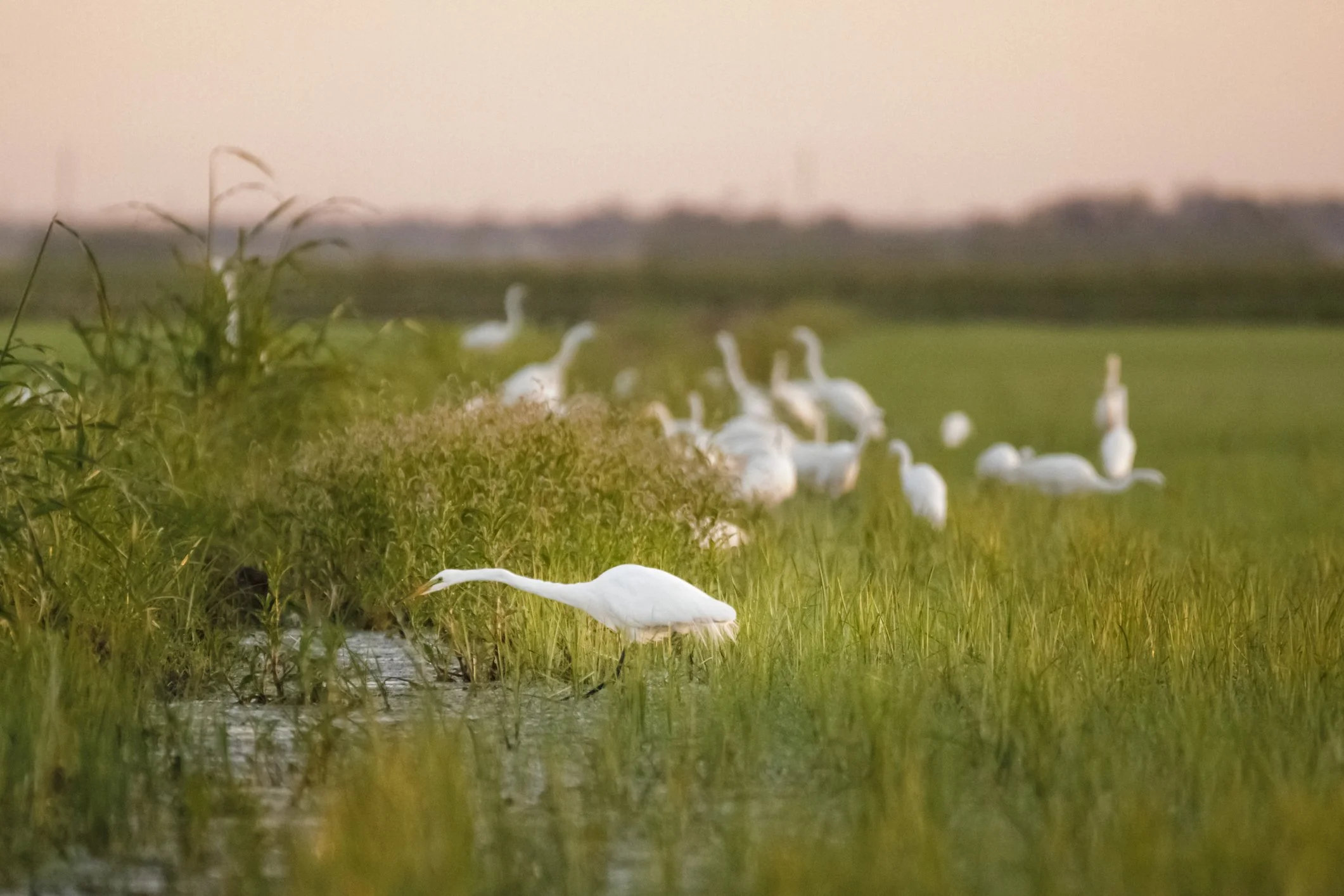
There will be nearly 50 acres of wetlands, canals, and restored habitat that provide homes for fish, birds, and other aquatic animals.
There will be buffer zones to keep development away from sensitive areas.
There will be offsets for impacts to preserve habitat.
Protecting Special Species
The plan includes steps to protect native plants and species in the basin by complying with conservation and wildlife programs. Some of these species include:
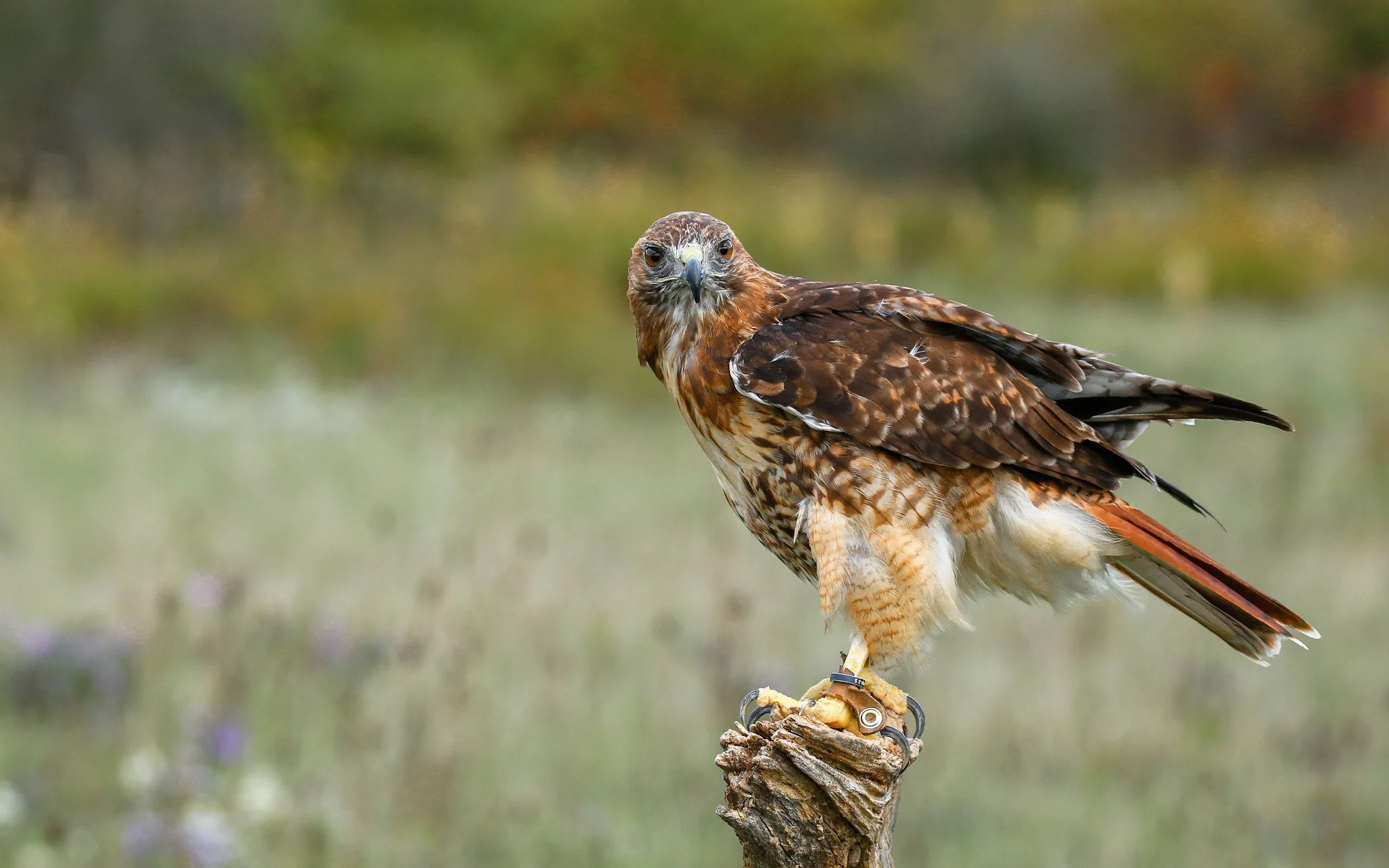
Swainson’s Hawk (a threatened bird that hunts for food in open fields)
Burrowing Owl (a small owl that lives in open grasslands and uses burrows for shelter)
Giant Garter Snake (a rare snake that depends on water areas such as canals and wetlands)
Valley Elderberry Longhorn Beetle (a beetle that lives in elderberry bushes along rivers and streams)
Steps to Protect Nature
The plan includes several strategies to keep wildlife and natural areas safe:
It saves and improves wetlands to protect water habitats.
It creates buffer zones to keep development away from sensitive areas.
It would follow seasonal rules to avoid harming wildlife during key times like nesting seasons.
It builds safe wildlife pathways so animals can move throughout the area safely.